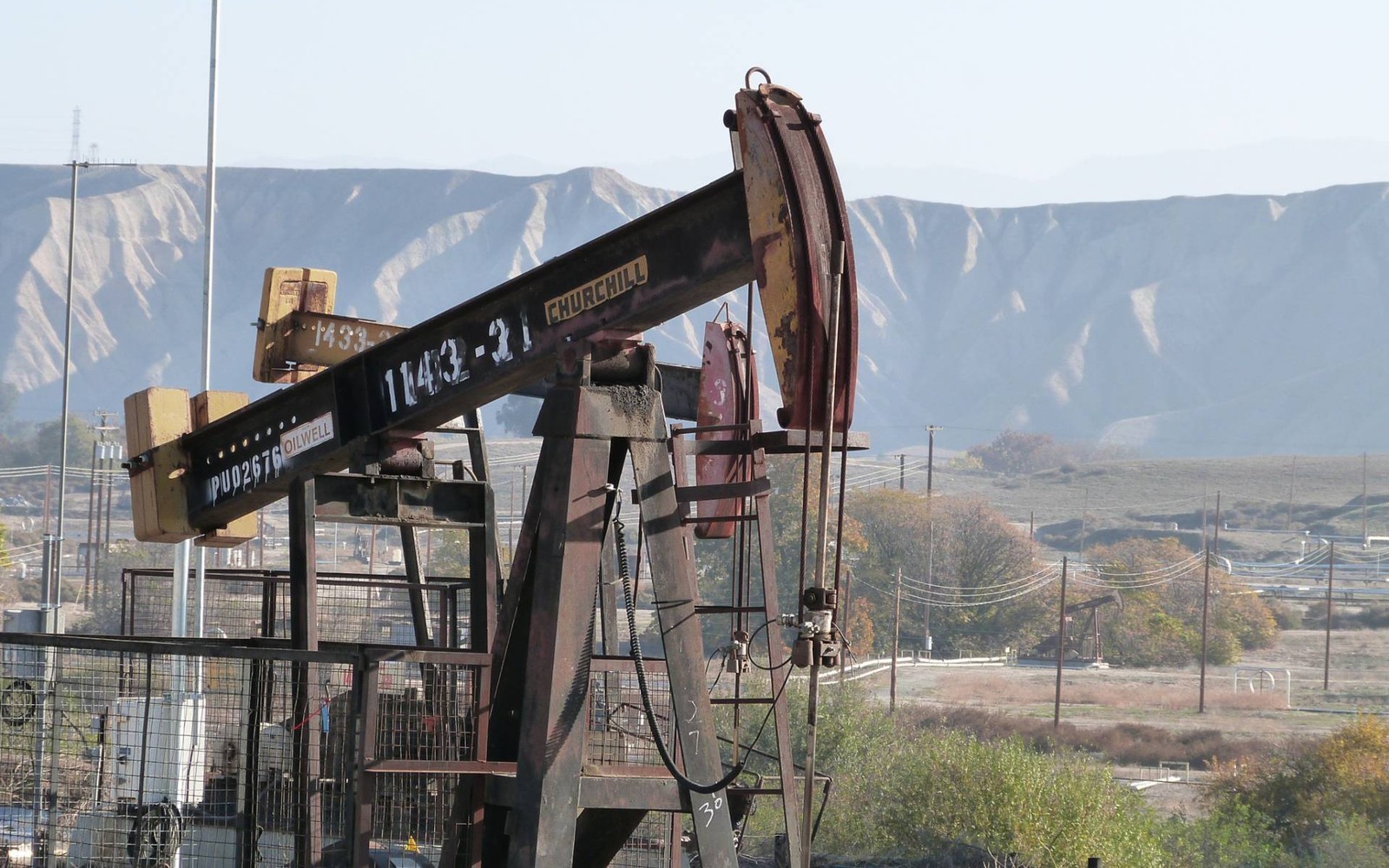
Barnesville is one of Belmont County's larger towns, and the farmland surrounding it has been under Utica lease for most of the past fifteen years.
If you're weighing whether to sell mineral rights near Barnesville, the single most useful document you can put in front of a buyer is a royalty statement, if you have one. It tells a story numbers alone can't: which well or wells your interest is tied to, how production has trended, and what price the operator is realizing per unit of gas or oil sold.
This part of Belmont County has enough well history now that most tracts have at least a few years of payment data behind them, which makes for a more grounded conversation than trying to value undeveloped acreage from scratch.
How to read your royalty statement
A typical Ohio royalty statement lists the well name, the production month, gross volumes of oil, gas, and natural gas liquids, the price realized, deductions (if any, for gathering or processing), and your net decimal interest, the fraction of the well's revenue you're entitled to. That decimal is usually a small number, something like 0.0018734, reflecting your fractional share of a large pooled unit.
Watch for whether volumes are climbing, holding steady, or declining month over month. Shale wells typically show a steep initial decline in their first year or two before leveling into a longer, shallower tail, and where your well sits in that curve affects how a buyer weighs future value against a lump-sum offer today.
Title and heirship near Barnesville
Barnesville's surrounding farmland has often stayed in the same families for generations, which means many mineral interests here are held by multiple siblings or cousins rather than a single owner. If your name is on a division order alongside family members, each of you holds a separate, sellable interest, and you don't need everyone to agree before you can sell your own share.
If title has never been cleared through a formal estate, that's worth resolving through the Belmont County Probate Court records before a sale closes, since a buyer will need clean, recordable title to complete the purchase.
When there's no royalty statement to check
Not every Barnesville-area tract is producing. If your family's minerals were never leased, or the original lease has expired, an offer will be based on comparable nearby activity and the Belmont County Recorder's index rather than payment history. That's still a legitimate basis for a sale, it just carries more uncertainty about timing and eventual development than a producing tract does.
Begin with the local record trail
A mineral review in the county starts with the county recorder, legal description, deed chain, reservations, affidavits, notices, lease, units, division orders, payor records, statements, and Ohio well data.
Route Ohio title questions correctly
Probate, marital property, dormant-mineral procedure, pooling, recording, transfer, regulatory filings, and payor notices can change the file in the county. Qualified advisers should review legal and tax questions.
Keep the local review tract-specific
Use local context as a prompt, not a valuation shortcut. The county mineral docket then reconciles the exact tract against gross and net acres, ownership fraction, recorded notices, producing and inactive wells, paid decimal, recent statements, lease burdens, title exceptions, and the complete written offer.