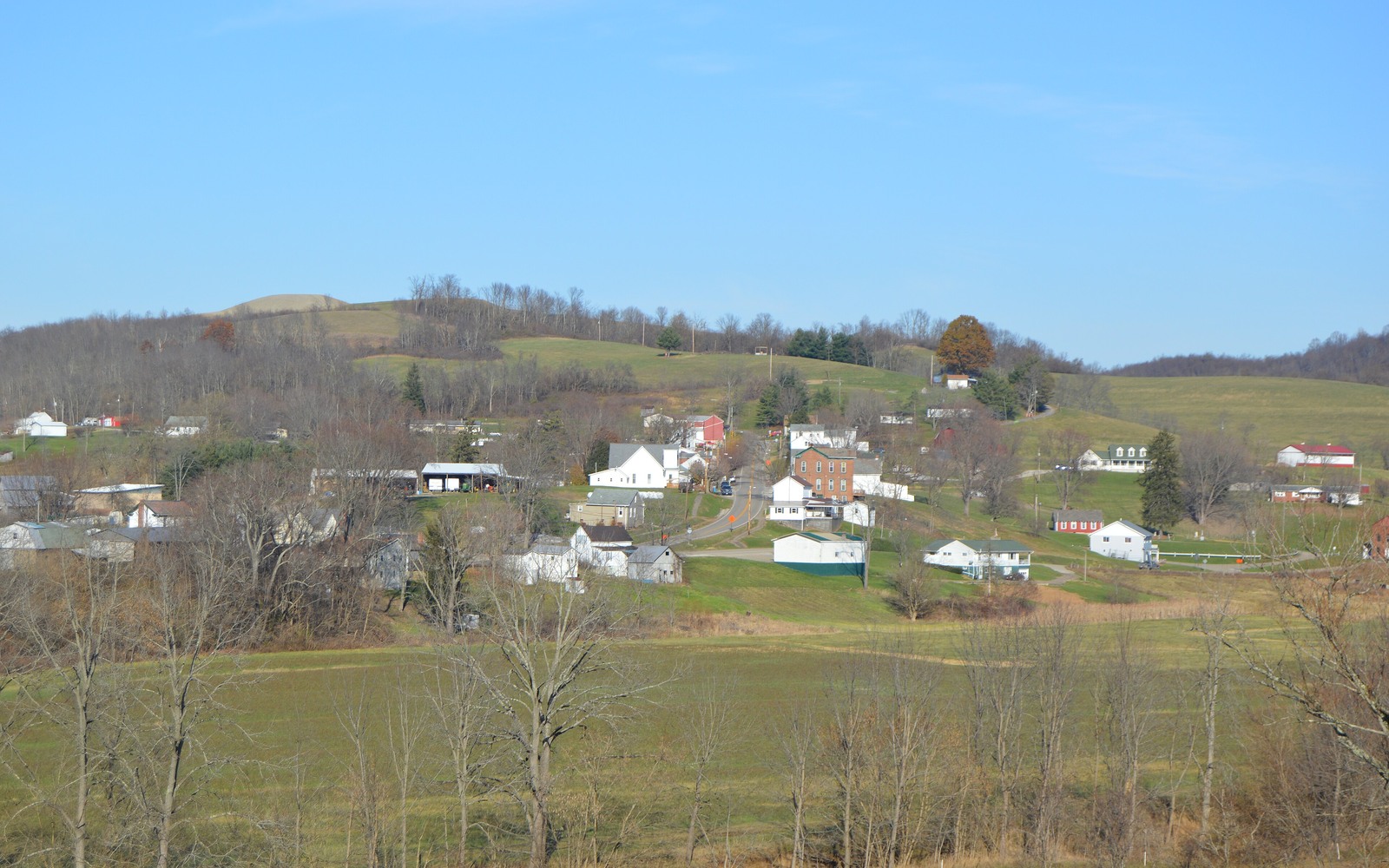
Batesville sits in Noble County, ground with an oil and gas history that stretches back well before shale, into some of the earliest drilling in Ohio.
Noble County was part of the original 19th-century Ohio oil boom, decades before anyone talked about the Utica shale, and that long history means mineral title around Batesville can run through multiple eras of leasing, sometimes several separate severances stacked on the same tract over a hundred-plus years. Untangling which instrument actually controls your rights today is often the first real task.
The modern picture is more straightforward: Noble County is squarely in the Utica core, and Batesville-area acreage has seen steady horizontal development, so if your family's minerals have been leased or produced in the last decade, there should be a fairly recent paper trail to work from.
Layered history, layered title
Because Noble County has been drilled off and on since the 1800s, it's not unusual to find an old shallow-well lease from decades ago still sitting in the deed record alongside a newer Utica lease covering deeper formations. A careful title read is needed to confirm which lease, if any, is currently active and what depths it actually covers, since an expired shallow lease doesn't necessarily affect your deep rights.
The Noble County Recorder in Caldwell holds this record, and pulling a full title history there, rather than relying on a single old document your family kept in a drawer, is the reliable way to know what you're actually working with.
Core-play development around Batesville
Operators have run multi-well pads through this part of Noble County for years now, and per-well production in the county has ranked among the stronger numbers in the state. If your tract is inside an active unit, your royalty statement is the clearest evidence of value, showing real monthly volumes rather than a projection based on the county's reputation alone.
Dormant mineral risk from old severances
Old severances that predate the shale era are exactly the kind of interest that can be vulnerable under Ohio's Dormant Mineral Act, ORC 5301.56, if the minerals sat unused for 20 years with no lease, no production, and no recorded claim to preserve. Before assuming your family's century-old interest is still intact, it's worth checking the recorder's index for any abandonment notice, particularly if there's a gap of decades between the original severance and any recent leasing activity.
Begin with the local record trail
A mineral review in the county starts with the county recorder, legal description, deed chain, reservations, affidavits, notices, lease, units, division orders, payor records, statements, and Ohio well data.
Route Ohio title questions correctly
Probate, marital property, dormant-mineral procedure, pooling, recording, transfer, regulatory filings, and payor notices can change the file in the county. Qualified advisers should review legal and tax questions.
Keep the local review tract-specific
Use local context as a prompt, not a valuation shortcut. The county mineral docket then reconciles the exact tract against gross and net acres, ownership fraction, recorded notices, producing and inactive wells, paid decimal, recent statements, lease burdens, title exceptions, and the complete written offer.