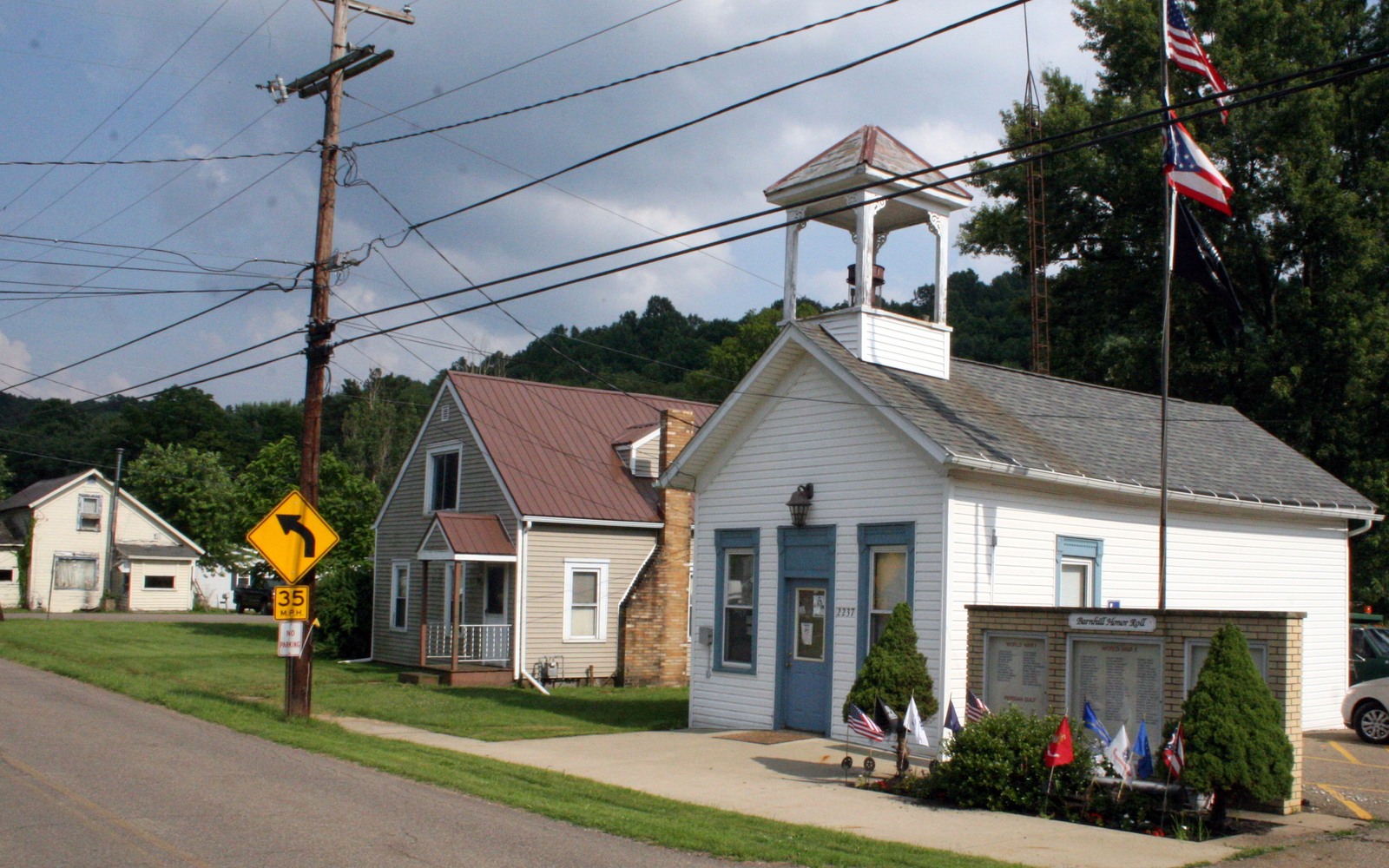
Barnhill is a quiet farming community in Tuscarawas County where most mineral ownership today is measured in small fractional shares, not whole tracts.
If you own minerals near Barnhill, chances are you don't hold a full interest in a single tract, you hold a fraction of one, split among siblings, cousins, or more distant relatives after a family farm passed through one or more generations. That's the norm across this part of Tuscarawas County, and it's not a barrier to selling, but it does shape how the process works.
Split estates, where the surface is owned separately from the minerals, are also common here, sometimes dating back to a sale decades ago where the seller kept the mineral rights. If that's your situation, you likely have no relationship to whoever currently farms or lives on the surface, and that's entirely normal.
Small fractional interests still have value
It's easy to assume that owning, say, a 1/24 interest in 60 acres isn't worth pursuing, but that fraction is still a real, recordable property right. If the tract sits within or near an active Utica unit, even a small decimal interest can generate a legitimate offer, and selling it clears the ownership off your estate for good rather than passing the same small fraction down to your own children.
The key figure is your net mineral acreage, calculated by multiplying your fractional share by the tract's total mineral acreage. Your deed or division order should show this, or we can help calculate it from the underlying documents.
Split estates and surface owner relationships
If your minerals are severed from the surface, you generally don't need permission from whoever owns the surface to sell your mineral interest, ownership of the two is legally independent. That said, a cooperative surface owner can make things easier if a well is ever proposed on the tract, since operators typically need surface access agreements separate from the mineral lease itself.
Flank-position value in western Tuscarawas County
Barnhill sits on the flank of the Utica play rather than its core, meaning drilling density has been lower here than in Belmont or Harrison County. Offers on unleased flank acreage reflect that lower activity level, while a tract with an existing lease or royalty history is priced against its actual record. Either way, checking the Tuscarawas County Recorder's index in New Philadelphia will confirm what's currently on file for your tract, including any existing lease.
Begin with the local record trail
A mineral review in the county starts with the county recorder, legal description, deed chain, reservations, affidavits, notices, lease, units, division orders, payor records, statements, and Ohio well data.
Route Ohio title questions correctly
Probate, marital property, dormant-mineral procedure, pooling, recording, transfer, regulatory filings, and payor notices can change the file in the county. Qualified advisers should review legal and tax questions.
Keep the local review tract-specific
Use local context as a prompt, not a valuation shortcut. The county mineral docket then reconciles the exact tract against gross and net acres, ownership fraction, recorded notices, producing and inactive wells, paid decimal, recent statements, lease burdens, title exceptions, and the complete written offer.