
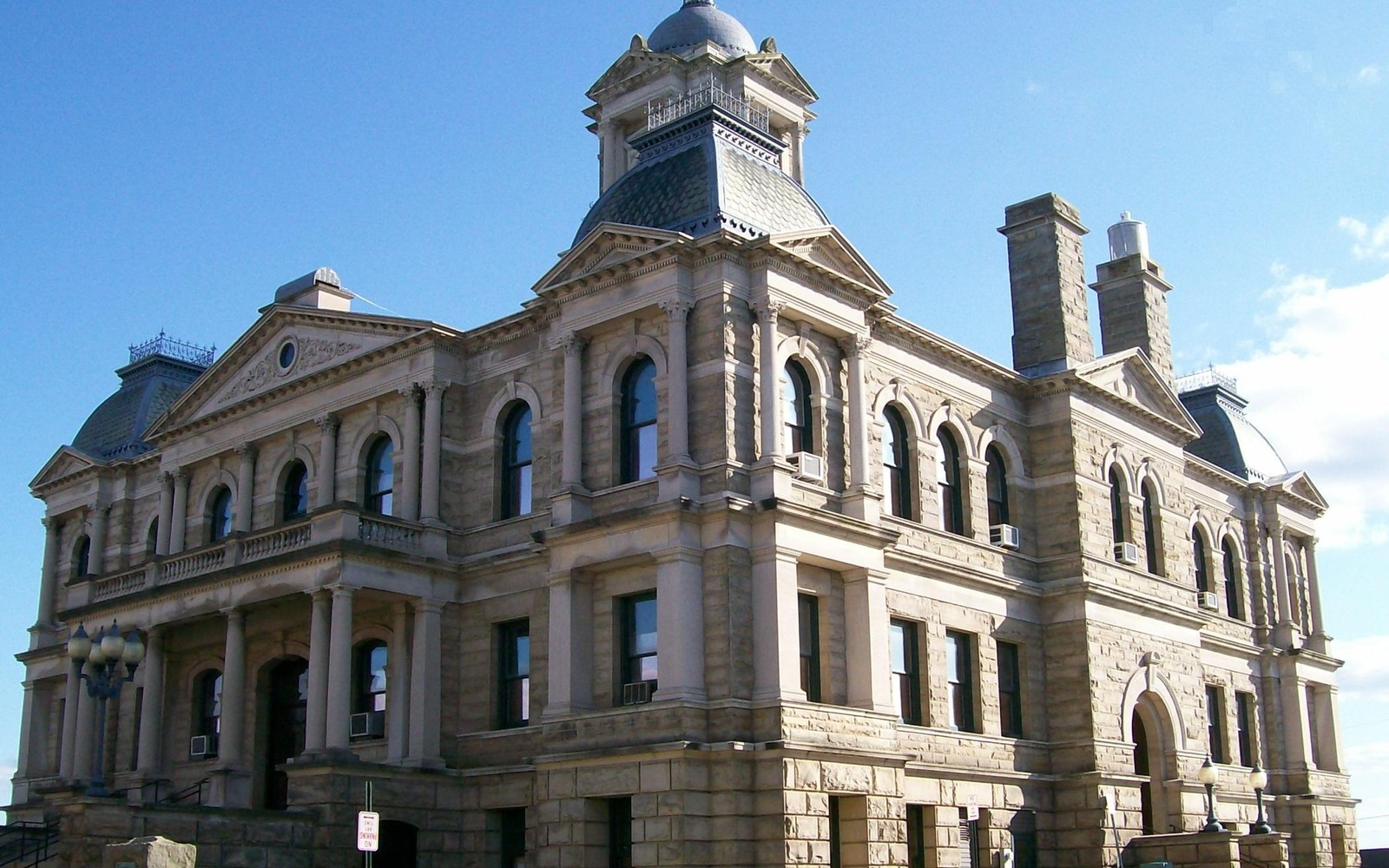
Where exactly Do you go to research your Cadiz-area mineral title?
The Harrison County Recorder's office, located in Cadiz, holds the full deed and lease record for the county and is the starting point for any title search.
Cadiz is the Harrison County seat, which makes it the record-keeping center for a county sitting in the thickest part of Ohio's Utica play.
Every deed, lease, division order assignment, and dormant mineral notice affecting mineral rights anywhere in Harrison County eventually runs through the recorder's office right here in Cadiz. If you own minerals in or around town, or anywhere else in the county for that matter, this courthouse is where the paper trail lives.
Harrison County has some of the thickest, most productive Utica/Point Pleasant rock in Ohio, and Cadiz-area acreage has been leased and developed since the play's earliest days, which means most tracts here carry a decade or more of documented history by now.
Because you're close to the recorder's office, a title search or record pull on your Cadiz-area tract is often more straightforward than it would be for owners working from out of state trying to research a distant county remotely. If you're not sure exactly what your family owns, an in-person or online records check here is the fastest way to get real answers.
The same office also maintains the index for any dormant mineral abandonment notices, which is worth checking if your family's interest has sat quiet for a long stretch.
Multi-well pads and long horizontal laterals are common throughout the townships surrounding Cadiz, and the county has drawn sustained operator interest since 2011. If your tract is inside an active spacing unit, your division order and royalty statements are the clearest measure of current value.
Your deed, any lease documents, and recent royalty statements if the tract is producing are the core pieces of paperwork worth gathering. If you've inherited the interest and don't have a deed in your own name yet, the estate document, will, or affidavit of heirship that establishes your ownership is the starting point instead.
A mineral review in the county starts with the county recorder, legal description, deed chain, reservations, affidavits, notices, lease, units, division orders, payor records, statements, and Ohio well data.
Probate, marital property, dormant-mineral procedure, pooling, recording, transfer, regulatory filings, and payor notices can change the file in the county. Qualified advisers should review legal and tax questions.
Use local context as a prompt, not a valuation shortcut. The county mineral docket then reconciles the exact tract against gross and net acres, ownership fraction, recorded notices, producing and inactive wells, paid decimal, recent statements, lease burdens, title exceptions, and the complete written offer.
Questions Ohio owners ask
The Harrison County Recorder's office, located in Cadiz, holds the full deed and lease record for the county and is the starting point for any title search.
Yes, Harrison County sits in the core of the play, and the area around Cadiz has seen sustained development since the earliest permits were issued.
It's common and fixable, usually through recording the will or an affidavit of heirship establishing your ownership before a sale closes.
Keep reading before you sign
St. Clairsville is the Belmont County seat, home to the recorder's office that holds your deed. See how that record and Utica core activity shape an offer.
Own mineral rights near Cambridge, the Guernsey County seat and a Utica midstream hub? Learn what drives value here and get a straightforward cash offer.
Marietta is Washington County's seat and Ohio's oldest oil town. Learn how deep title history and the Utica flank affect a mineral rights sale here.
Put your county record in front of a buyer
Share the Ohio county, owner name, interest type, producing status, available statements, and the decision that needs a clearer answer.