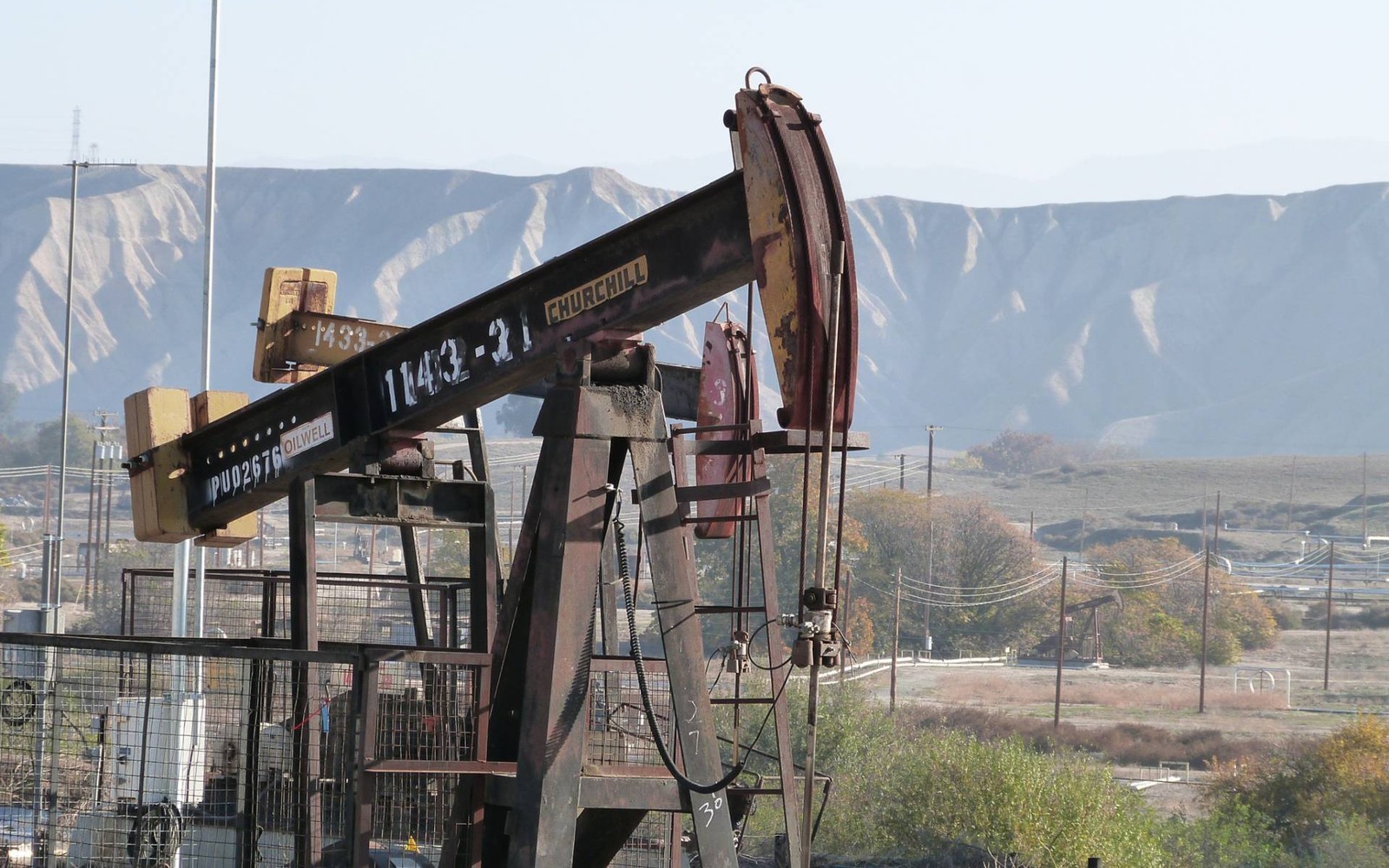
Jefferson County's mineral story is really two stories, an old industrial river county and a flank position in the Utica/Point Pleasant play, and both shape what your interest is worth.
Jefferson County runs along the Ohio River across from Weirton and Wheeling, West Virginia, with Steubenville as the county seat and smaller communities like Dillonvale, Irondale, Empire and East Springfield spread through the townships to the west. Steel and coal built this county's economy for most of the 20th century, and a lot of mineral ownership here still traces back to industrial-era land holdings and farm deeds that reserved oil, gas and coal separately from the surface long before shale drilling was a consideration.
Positioned on the flank rather than the deep core of the Utica/Point Pleasant fairway, Jefferson County hasn't seen the same density of horizontal wells as Harrison or Belmont counties just to the south, but it has real production, real leasing activity, and real overlap with the Marcellus formation given its proximity to the West Virginia panhandle. If you're holding minerals here, the value conversation starts with which formation your lease actually covers and whether any well has ever been drilled on your specific unit.
Utica flank position and the Marcellus overlap
'Flank' in industry terms means Jefferson County sits at the edge of the Utica/Point Pleasant sweet spot rather than in its structural center, which has generally meant fewer horizontal wells and more selective development compared to core counties to the south. That said, the county's location along the Ohio River, directly across from the West Virginia panhandle where Marcellus development has been extensive, means some Jefferson County acreage has drawn interest tied to that formation as well as Utica.
A deed here that reserves 'oil and gas' broadly, without naming a formation, can end up covering both zones if a well is ever drilled into either one. That's worth knowing because it changes how a buyer should evaluate your interest, since a Marcellus-only lease and a Utica-only lease can carry different royalty terms and different production profiles even on the same tract.
Older wells, industrial-era severances, and title complexity
Jefferson County has a long production history that predates the shale boom by decades, including shallow legacy wells tied to earlier oil and gas activity in eastern Ohio. Many mineral interests here were severed generations ago through steel-company or coal-company land transactions, farm sales, or estate settlements, and those older deeds are frequently where the real complexity lives, vague reservation language, missing heirs, or a fraction described as 'one-half of the usual one-eighth royalty,' which requires careful reading to translate into a modern decimal interest.
Because of that history, a title search through the Jefferson County Recorder's office in Steubenville is typically the first real step in confirming exactly what you own, whether it's still intact, and whether any prior owner already leased or sold part of the interest without the rest of the family knowing.
How the Dormant Mineral Act applies in a county with this much old severance
Ohio's Dormant Mineral Act, ORC 5301.56, gives a surface owner a path to reclaim a mineral interest that's been unused for 20 consecutive years, no lease, no production, no title activity, nothing showing the mineral owner is still engaged with the interest. Given how much of Jefferson County's mineral ownership traces back to early-1900s industrial and farm deeds, interests that have sat dormant for generations are common, and so are surface owners attempting to reclaim them.
Since the Ohio Supreme Court's 2016 Corban v. Chesapeake decision, the only way an abandonment actually sticks is through the recorded procedure: the surface owner serves or publishes notice, then records an affidavit of abandonment, and the mineral holder has 60 days to record a claim to preserve or point to an existing lease or royalty record. If your family holds an old severed interest in Jefferson County that hasn't produced anything in your lifetime, it's worth checking the recorder's index for any pending notice before deciding what to do with it, sell, preserve, or simply confirm it's still yours.
What buyers weigh on a flank-position interest
Because Jefferson County has fewer active horizontal units than the deep core counties, valuation leans more heavily on whether your specific tract is already leased, whether a well has been drilled on the pooled unit, and how recent production activity in your township looks. An unleased interest with no nearby drilling gets priced more conservatively than a producing interest with a recent royalty statement in hand, and that gap tends to be wider on the flank than it is in the middle of the core.
If you have royalty statements, lease documents, or even an old division order, those are the fastest route to a grounded number, since they show real decimal interest and real production rather than a generic estimate based on county averages.