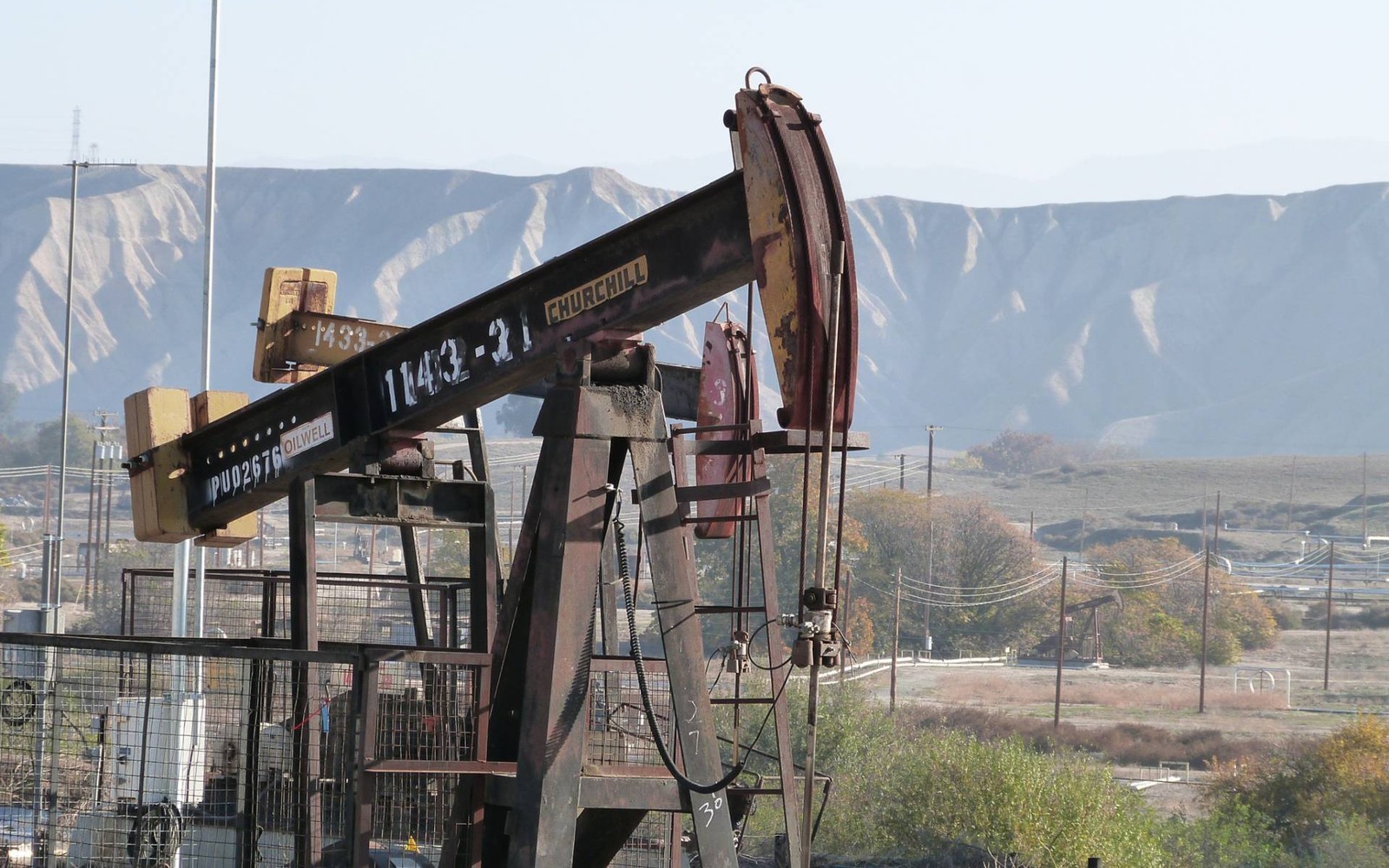
If your family's mineral rights near Salem Heights trace back to a deed from before 1980, there is a decent chance the Ohio Dormant Mineral Act has come up, or should, before you sell.
Salem Heights is a small residential community just outside the city of Salem in Columbiana County. Like much of this part of the county, the surface land here changed hands well before anyone was thinking about shale gas, and mineral rights were routinely reserved out of those sales and left alone for decades.
That gap between when a right was created and when anyone paid attention to it again is exactly what Ohio's Dormant Mineral Act, ORC 5301.56, was written to address, and it matters whether you are the surface owner trying to clear title or the mineral owner trying to protect your interest.
The 20-year rule in plain terms
Under the current version of the statute, a severed mineral interest can be deemed abandoned, and title can revert to the surface owner, if it has gone unused for 20 years and the surface owner completes a specific notice process: identifying the mineral holders, sending notice by certified mail or publishing it if they cannot be found, and giving the mineral owner 60 days to respond with a claim to preserve or an affidavit of use.
Use that counts to keep an interest alive includes things like a recorded lease, actual production or a royalty payment, a filed claim to preserve, or the interest being taxed separately. If none of that happened in 20 years and the surface owner follows the notice steps, the interest can lapse back to the surface.
Why Corban v. Chesapeake changed the picture
The Ohio Supreme Court's 2016 decision in Corban v. Chesapeake Exploration held that the older 1989 version of the law was not automatic or self-executing, meaning mineral interests did not simply vest back to the surface owner just because time passed. Instead, owners have to use the 2006 amended version's actual notice-and-lapse mechanism going forward.
That ruling restored a lot of previously assumed-abandoned mineral interests to their rightful owners across eastern Ohio, and it is why any dormancy claim near Salem Heights needs to be checked against the specific procedural history, not assumed from a title company's old note.
What this means if you want to sell
If you are a mineral owner and you have never leased, never received a royalty, and never filed anything on record, it is worth confirming your interest has not already lapsed before you try to sell it. We check the Columbiana County Recorder's records for any DMA notices or affidavits filed against your interest as part of our standard title review.
If your interest is clean and active, selling it converts a passive holding into a defined amount now, without the ongoing task of monitoring notices or filing claims to preserve every couple of decades.