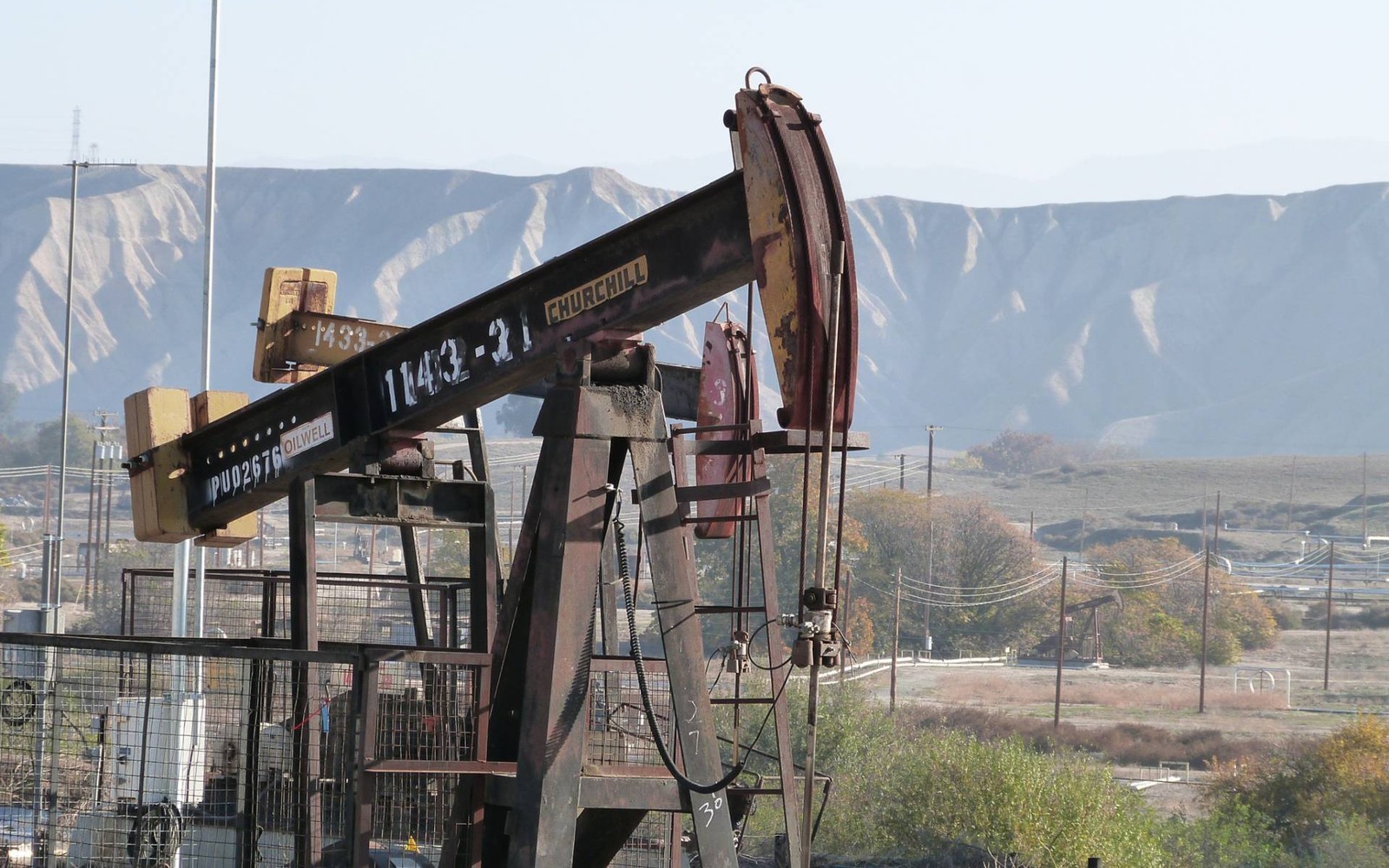
Harrison County, where Scio sits, was one of the first places operators concentrated Utica development a decade ago, so the land around Scio has more drilling history behind it than most of eastern Ohio.
Scio is a small village in Harrison County, part of the deep core of the Utica/Point Pleasant play. Harrison County saw an early and intense wave of leasing and permitting starting around 2011 and 2012, alongside neighboring Carroll County, and multi-well pad development has continued here in the years since.
That longer history means many families near Scio have owned a leased or producing interest for a decade or more, and the questions we hear are often less about whether the land is prospective and more about what to do with an interest that has already run through several years of production.
A decade of production history near Scio
Wells drilled here in the early 2010s have generally moved well past their initial production peak and into a longer, shallower decline phase. If your family's interest has been producing since then, your royalty statements show a clear, established trend rather than a projection.
That established history is actually an advantage when selling, because it gives a buyer real numbers to work from instead of estimates based on nearby but different wells.
Original leases signed a decade or more ago
Leases signed during the early Harrison County boom sometimes carry royalty rates, pooling provisions, or Pugh clause language that differs from what would be negotiated today. Reviewing your original lease as part of the sale process clarifies exactly what rights transfer with the mineral interest.
We pull the recorded lease from the Harrison County Recorder's office in Cadiz as part of our title review so nothing about its terms is left to guesswork.
What to expect if you decide to sell
With an established production history, pricing a mineral or royalty interest near Scio is grounded in your actual statements, current commodity conditions, and how far along the well is in its decline, always presented as a hedged range rather than a fixed promise.
You are free to sell all or, in some cases, only part of your interest, and the process typically moves quickly once title and lease terms are confirmed.
Begin with the local record trail
A mineral review in the county starts with the county recorder, legal description, deed chain, reservations, affidavits, notices, lease, units, division orders, payor records, statements, and Ohio well data.
Route Ohio title questions correctly
Probate, marital property, dormant-mineral procedure, pooling, recording, transfer, regulatory filings, and payor notices can change the file in the county. Qualified advisers should review legal and tax questions.
Keep the local review tract-specific
Use local context as a prompt, not a valuation shortcut. The county mineral docket then reconciles the exact tract against gross and net acres, ownership fraction, recorded notices, producing and inactive wells, paid decimal, recent statements, lease burdens, title exceptions, and the complete written offer.